
What Is a Metal Detector?
A metal detector is far more than a simple electronic device—it is a tool that opens the door to exploration, curiosity, and discovery. For many people, a metal detector represents the beginning of a new hobby, one filled with excitement and the possibility of finding something lost, forgotten, or even historically significant. But before jumping into the world of treasure hunting, it is important to understand what a metal detector actually is, how it works, and why it has become one of the most popular outdoor hobbies across the globe. This introduction will guide you through the fundamentals of metal detecting, explain its purpose in a clear and beginner-friendly way, and prepare you for deeper learning as you continue your journey.
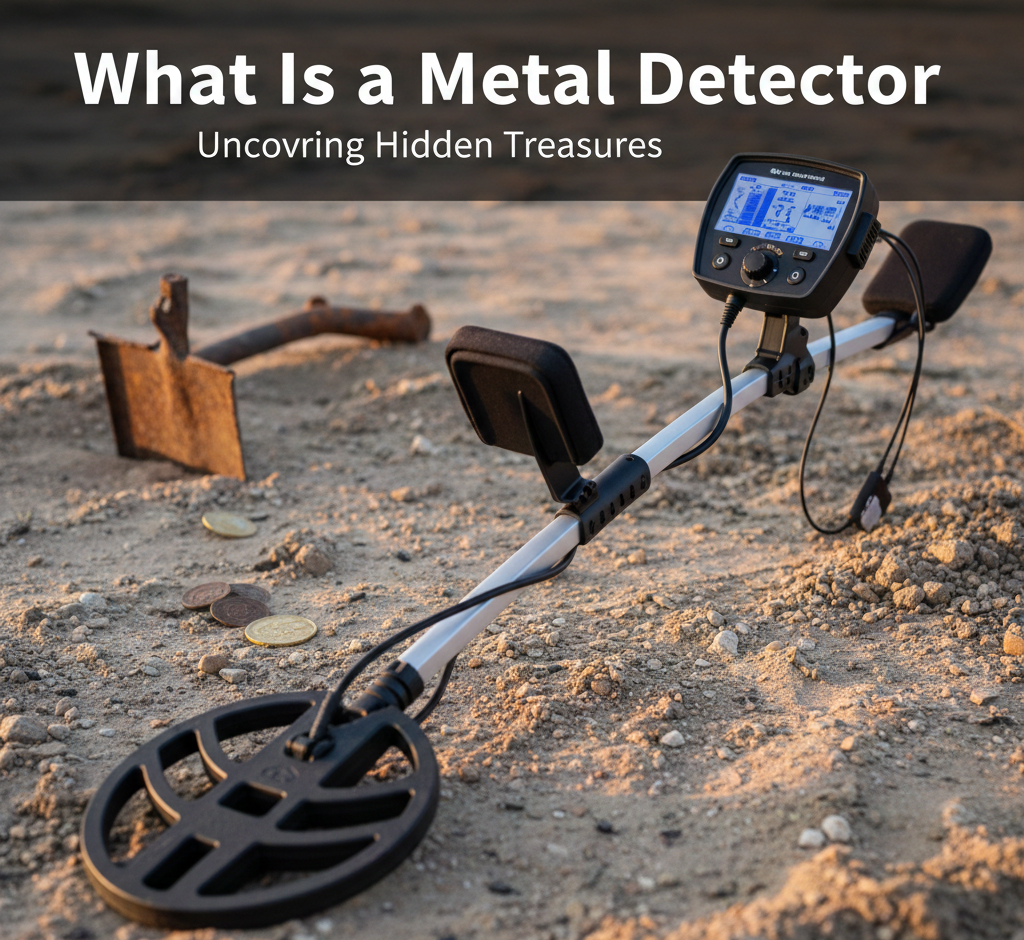
A metal detector is an electronic instrument designed to locate metal objects hidden beneath the ground, inside sand, within soil layers, underwater, or even inside walls. While modern detectors use sophisticated technology, their core function has remained the same for decades: they emit electromagnetic signals and interpret the returning response when those signals encounter metal. When a piece of metal disrupts the magnetic field generated by the detector, the device alerts the user through a sound, a vibration, or a visual indicator on the screen. This simple interaction between a magnetic field and a metal object forms the foundation of the entire hobby.
For beginners, one of the most attractive aspects of metal detecting is its accessibility. You do not need professional training or complex knowledge to start. In fact, most entry-level detectors are specifically designed to be simple to operate—turn them on, adjust a few settings, and you are ready to begin searching. Yet beneath this simplicity lies a surprisingly powerful set of technologies and features that help users detect metal objects at varying depths, identify different types of metals, and filter out unwanted signals. Even a basic model can distinguish between valuable items such as coins or jewelry and less desirable targets like bottle caps and nails.
Metal detecting is not just about technology—it is deeply connected to human curiosity. Throughout history, people have been fascinated by the idea of hidden objects: treasures buried under layers of earth, lost jewelry waiting to be discovered, or coins dropped years or even centuries ago. With a metal detector, these hidden pieces of history become accessible to anyone willing to explore. Every beep or tone is a clue, a small mystery that invites you to dig deeper—literally and figuratively.
One of the reasons metal detecting is so appealing is the element of surprise. You never truly know what you will find. A simple walk in a local park could lead to discovering an old coin from decades past. A day on the beach might reveal a lost ring or necklace. Exploring forests or fields can uncover relics, tools, or objects that tell stories about people who lived or traveled there long before you. Even your own backyard might hide something unexpected. This sense of adventure keeps newcomers excited and keeps experienced detectorists returning to the field again and again.
Another major attraction is the hobby’s connection to nature. Metal detecting encourages people to spend time outdoors—walking, exploring, observing their surroundings, and enjoying fresh air. Many people find it relaxing and therapeutic, almost like hiking with a purpose. Even when you do not find anything valuable, the experience itself is rewarding. It allows you to disconnect from everyday stress, focus on the steady rhythm of sweeping the detector, and enjoy the moment.
In addition to personal enjoyment, metal detecting can also have educational value. Beginners quickly learn about different types of metals, how soil composition affects detection, and how electromagnetic signals behave. Some hobbyists develop an interest in local history, researching old maps, abandoned settlements, or historically significant locations to increase their chances of making interesting finds. For others, the hobby evolves into a deeper appreciation for archaeology, preservation, and the importance of respecting protected sites and following legal guidelines.
It is also worth mentioning that metal detectors are used far beyond recreation. Professionals rely on them for tasks such as security screening, construction work, locating underground pipes or wires, archaeological surveys, and even military operations. While these professional devices may differ in design and purpose, the underlying principles are the same. This broad range of applications shows how versatile and valuable metal detection technology truly is.
For someone just starting out, the world of metal detecting may seem overwhelming at first—different detector types, various settings, unique audio tones, soil conditions, and technical terms can feel confusing. But every expert detectorist once began as a beginner, learning step by step. The key is to start with the basics: understanding what a metal detector is, what it can do, and how to use it effectively. Once these fundamentals are clear, the rest becomes much easier.
This guide will walk you through everything you need to know, beginning with the simplest concepts and gradually moving into more detailed explanations. By the end of this introduction, you will have a solid foundation to build upon, whether your goal is recreational detecting, historical exploration, or simply enjoying a relaxing outdoor hobby.
Metal detecting is an activity that combines technology, adventure, and curiosity into one engaging experience. Whether you are hoping to uncover hidden items, learn more about history, or simply enjoy time outdoors, the journey begins with understanding one essential question: What is a metal detector?