
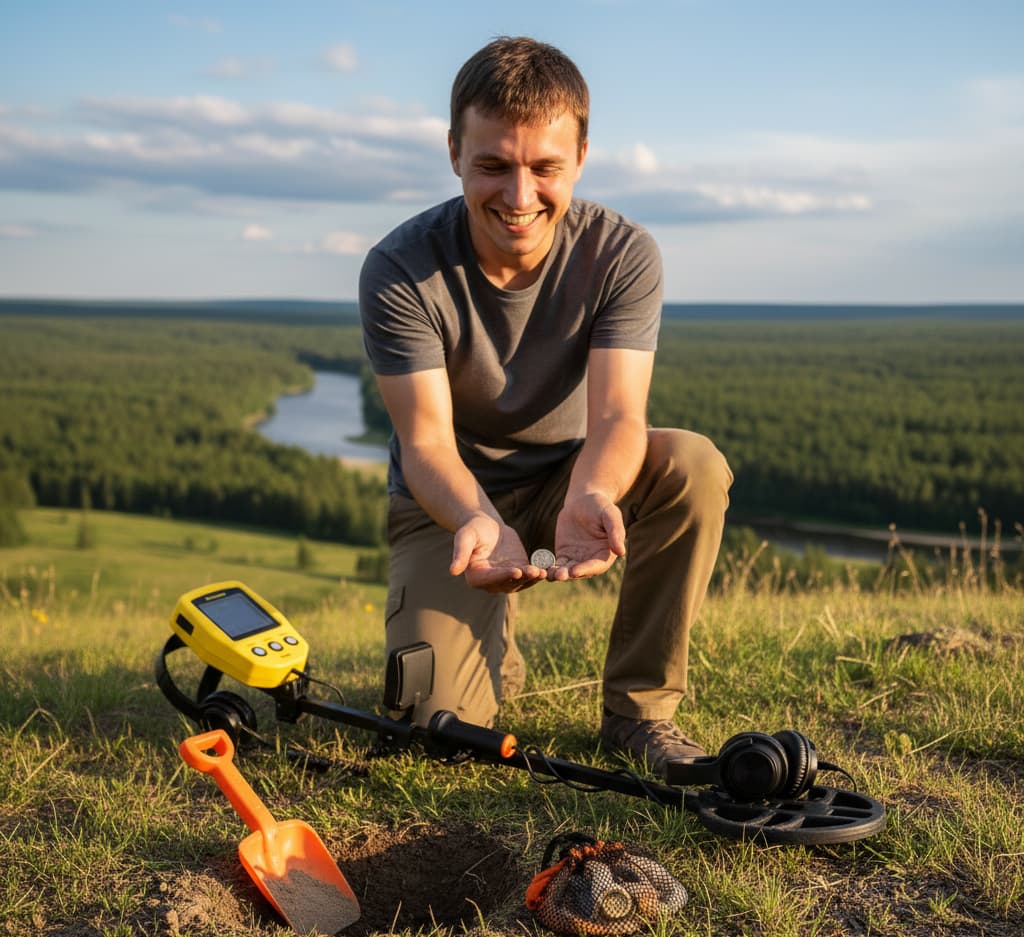
Choosing your first metal detector is an exciting step, but it can also feel overwhelming if you’re new to the hobby. With so many models, features, and price ranges available, beginners often struggle to understand what really matters and what can safely be ignored. The good news is that selecting the right beginner metal detector doesn’t have to be complicated if you focus on the essentials.
Metal detecting is a hobby that combines outdoor exploration, history, and the thrill of discovery. Whether you imagine finding old coins in a local park, lost jewelry on a beach, or historical relics in rural areas, the right metal detector can make the learning process smoother and far more enjoyable. A poor choice, on the other hand, often leads to frustration, unstable signals, and constant adjustments—causing many beginners to quit before they truly experience the fun of metal detecting.
One of the biggest misconceptions among beginners is that a higher price automatically means better results. While professional and advanced metal detectors offer impressive depth and customization, they are rarely necessary at the beginner level. In fact, overly complex machines can slow down learning and make the hobby feel more difficult than it needs to be. Beginners benefit far more from a metal detector that is easy to understand, comfortable to use, and designed specifically for learning the basics of detecting.
Another important factor that many beginners overlook is how different environments affect metal detector performance. Soil mineralization, moisture levels, trash density, and electromagnetic interference all play a role in how a detector behaves in the field. A good beginner metal detector should be versatile enough to handle common detecting locations without requiring constant manual adjustments. Stability, clear audio signals, and simple controls help beginners focus on learning rather than troubleshooting.
This guide is designed to remove confusion and help you make a confident decision when buying your first metal detector. We’ll cover the most important factors you need to consider, including where you plan to detect, what types of targets you want to find, how much money you should realistically spend, and the most common beginner mistakes to avoid. By the end of this guide, you’ll know exactly what to look for—and what to skip—so you can choose a beginner metal detector that fits your goals and helps you enjoy the hobby from day one.
Where Will You Use Your Metal Detector?
The environment where you plan to use your metal detector is one of the most important factors when choosing the right beginner model.
Different locations—such as parks, beaches, forests, or urban areas—have unique ground conditions, levels of mineralization, and sources of interference that directly affect detector performance. A metal detector that works perfectly in a park may struggle on wet sand or in heavily mineralized soil.
By understanding where you’ll search most often, you can choose a beginner metal detector that delivers stable signals, fewer false alerts, and a much smoother learning experience from day one.
Parks and Public Fields
Public parks and open fields are among the most common detecting locations for beginners. These areas are generally easy to search and don’t require highly specialized equipment. However, they often contain a lot of modern trash such as bottle caps, foil, and pull tabs. A beginner metal detector with reliable discrimination settings will help you filter out unwanted signals and focus on coins and jewelry.
Beaches
Beaches are extremely popular but more challenging. Wet sand is often highly mineralized and can cause unstable signals on basic detectors. If you plan to detect beaches regularly, look for a beginner detector with a dedicated beach mode or automatic ground balance. These features help reduce false signals and make detecting more enjoyable.
Forests and Rural Areas
Forests, old farmland, and rural locations often produce older coins and relics. These areas typically have less modern trash but can feature uneven terrain, roots, rocks, and mineralized soil. A lightweight detector with good ground stability is ideal for long sessions in these environments.
Urban Areas
Urban environments introduce electromagnetic interference from power lines, buildings, and electronic devices. Beginner detectors with stable frequency control and noise reduction perform better in these conditions.
Choosing a detector designed for your primary environment will reduce frustration and help you learn faster.
What Do You Want to Find?
Understanding your target goals is just as important as knowing where you’ll be detecting. Different detectors excel at different types of targets.
Coin Hunting
Coin hunting is perfect for beginners. Coins produce strong, consistent signals that are easy to learn. Many beginner detectors include target ID displays that help identify coin-sized objects.
Jewelry Hunting
Jewelry hunting can be more challenging. Gold jewelry often produces signals similar to trash items. Adjustable sensitivity and discrimination help beginners learn to recognize valuable signals over time.
Relic Hunting
Relic hunting focuses on historical items that may be deeper or mixed with iron. Beginners interested in relics should look for detectors that handle iron signals well and maintain depth accuracy.
Gold Prospecting
Gold prospecting is more advanced. Gold nuggets are small and often found in mineralized soil. While some beginner detectors can find gold, dedicated gold detectors perform better. Beginners interested in gold should choose a detector with high sensitivity.
How Much Should a Beginner Spend?
Budget is a major concern for new detectorists. While cheap detectors may seem appealing, they often lead to frustration due to poor performance.
Most beginners will find excellent value in mid-range beginner detectors. These models offer good depth, stable signals, and essential features without unnecessary complexity.
Spending slightly more upfront can save money in the long run by reducing the need for early upgrades. A good beginner detector can remain useful even as your skills improve.
Don’t forget to budget for basic accessories like headphones, digging tools, and a pinpointer.
Common Beginner Mistakes to Avoid
Many beginners struggle due to avoidable mistakes.
- Choosing based only on price or marketing
- Expecting instant success
- Ignoring ground conditions
- Not learning detector settings
- Quitting too early
Metal detecting is a skill that improves with time. Patience and practice make all the difference.
Final Thoughts – Choosing the Right Beginner Metal Detector
Choosing the right beginner metal detector is all about finding the right balance between simplicity, performance, and comfort. As a beginner, you don’t need the most expensive or technically advanced detector on the market. What you need is a reliable machine that helps you learn the basics, understand signals, and enjoy the process without unnecessary frustration.
Many new detectorists worry about making the “wrong” choice and missing out on better finds. In reality, success in metal detecting comes far more from practice and patience than from having the most powerful detector. A well-chosen beginner metal detector will allow you to develop essential skills such as signal interpretation, target recovery, and understanding how ground conditions affect performance.
Comfort and usability are often overlooked, yet they play a major role in long-term enjoyment. A lightweight detector with intuitive controls allows you to focus on detecting rather than constantly adjusting settings. When your detector feels comfortable and predictable, you’ll spend more time in the field and gain experience faster. This consistency is especially important during your first months in the hobby.
It’s also important to set realistic expectations. Metal detecting is not about instant treasure on every outing. Some days you may dig more trash than valuable targets, and that’s completely normal. Each signal—good or bad—teaches you something new. Over time, your ability to recognize subtle differences in sound and target behavior will improve, leading to more successful hunts.
As your skills grow, you may eventually decide to upgrade to a more advanced detector. That doesn’t mean your first detector becomes useless. Many experienced detectorists keep their beginner metal detector as a backup, travel unit, or a reliable machine for quick hunts. A quality beginner detector continues to provide value long after you move on to more advanced equipment.
The most important step is simply getting started. Choose a beginner metal detector that matches where you plan to detect, what you want to find, and how comfortable you want your learning process to be. With the right mindset, patience, and practice, metal detecting becomes an incredibly rewarding hobby that connects you with history, nature, and the excitement of discovery.
If you’re ready to take the next step, explore our Beginner Buyer’s Guide, where we break down the best beginner metal detectors and help you compare features, prices, and real-world performance. Starting with the right information makes all the difference.
Frequently Asked Questions About Beginner Metal Detectors
What is the best beginner metal detector?
The best beginner metal detector is one that offers simple controls, stable performance, and reliable discrimination. Beginners benefit most from detectors that are easy to understand and don’t require constant manual adjustments. A good beginner metal detector should perform well in common environments like parks, fields, and beaches while remaining comfortable to use during long sessions.
How deep can a beginner metal detector detect?
Most beginner metal detectors can detect coin-sized targets at depths of approximately 6 to 10 inches, depending on soil conditions and target size. Larger objects can often be detected deeper. Ground mineralization, moisture, and detector settings all influence depth, so real-world performance may vary.
Can beginners find gold with a metal detector?
Yes, beginners can find gold with a metal detector, but gold is more challenging to detect than coins or relics. Small gold items often produce weak or unstable signals, especially in mineralized soil. Beginner detectors with good sensitivity can find gold jewelry, while dedicated gold prospecting detectors are better suited for natural gold nuggets.
Is metal detecting hard to learn for beginners?
Metal detecting is easy to learn but takes time to master. Most beginners can start finding basic targets within their first few outings. Learning how to interpret signals and understand ground conditions improves with practice. Patience and consistent use are the keys to success.
Do beginners need expensive metal detectors to be successful?
No, beginners do not need expensive metal detectors to be successful. Many affordable beginner models offer excellent performance and reliability. Skill, location choice, and experience play a much bigger role in success than price alone.